
Dulles Corridor Metrorail Project
Metropolitan Washington Airports Authority (MWAA)
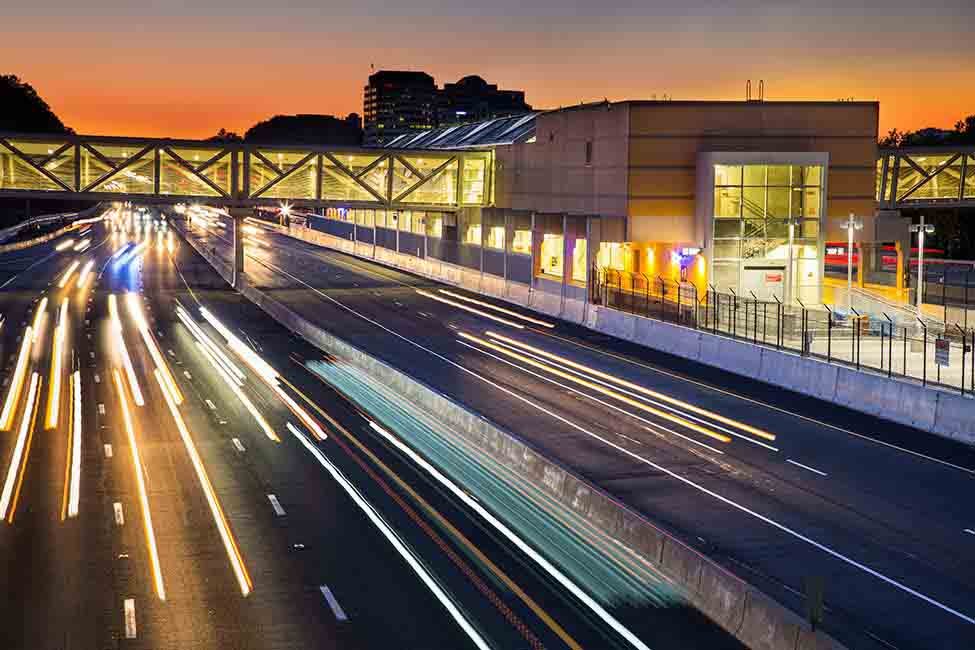
MWAA leads a unique public-public partnership of federal, state, and local governments that has financed the construction of the Dulles Corridor Metrorail (Silver Line) project, a 23-mile extension of the Washington region’s Metrorail system. Mercator has served as a financial advisor to MWAA since 2007. Though the situation is unique (an airports authority issuing toll revenue bonds to finance a rail project), the Dulles Corridor Metrorail Project is a great example of Mercator’s ability to help state and local governments work together to leverage existing assets and federal resources to develop and finance infrastructure improvements.
We helped develop and implement a strategy for leveraging Dulles Toll Road revenues to help finance the $6.0 billion Dulles Corridor Metrorail Project. This comprehensive financial advisory assignment has entailed coordination with local and state funding partners, and navigation of federal programs and processes to obtain a $900 million Federal Transit Administration (FTA) Capital Investment Grant (New Starts) and a $1.3 billion TIFIA loan that was refinanced in 2019. In addition, Mercator assisted with the creation of interim funding facilities, including $200 million of fixed rate notes secured by federal funding anticipated to be received under the Full Funding Grant Agreement (FFGA) with the FTA.
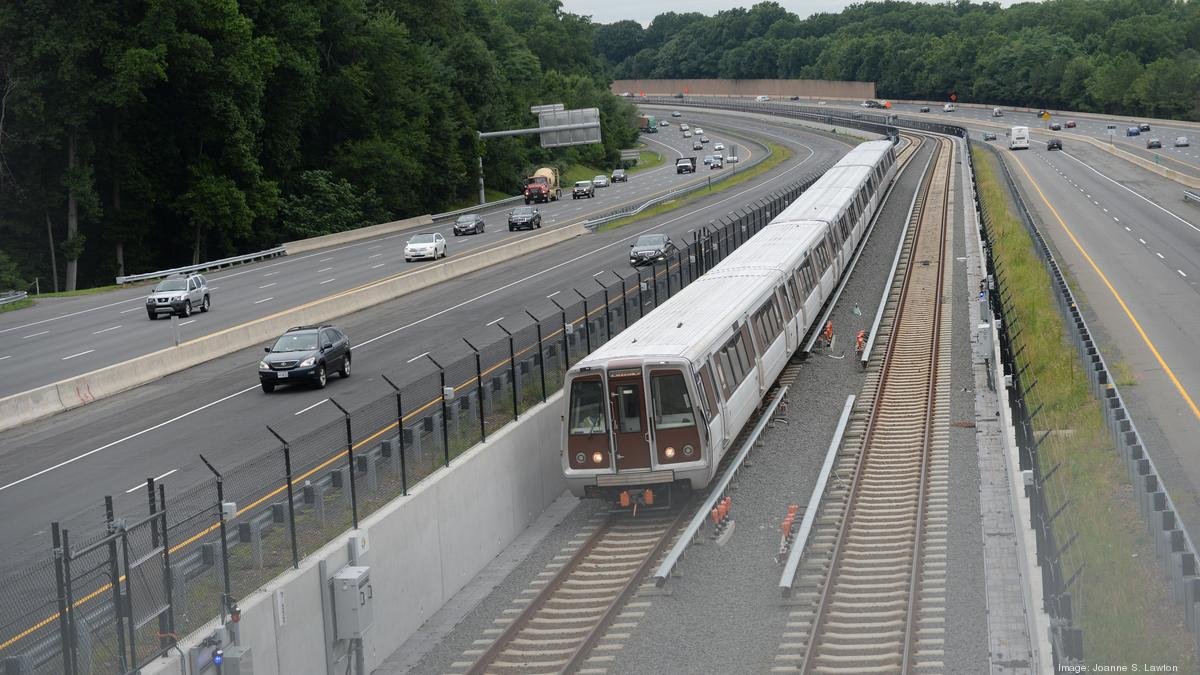
MWAA assumed responsibility for financing and constructing the Metrorail extension (also known as the Silver Line), pursuant to an agreement with the Commonwealth of Virginia executed in December 2006. The project was completed in two phases and conveyed to the Washington Metropolitan Area Transit Authority (WMATA) to operate and maintain. Over half of the capital cost for the Silver Line was funded by leveraging net revenue generated by the Dulles Toll Road, an existing toll road in the service area. A unique public-public partnership of federal, state, and local governments provided the balance of the capital funding from various sources, including property taxes generated by special tax districts formed by commercial and industrial property owners in the corridor.